All case studies
Inventory and operations
From tire sidewall to inventory in seconds
A receiving and storage system for A&C Pneus that reduced tire registration from about a minute to one or two seconds per pair.
- Author
- Brick Software Engineering
- Published
- Reading time
- 5 min read
ClientA&C Pneus
LocationAns, Belgium
IndustryAutomotive retail and service
ServicesCustom software, inventory workflow and location mapping
A standard stock tool did not fit the work
A&C Pneus had already tried a standard stock management application. After roughly five weeks, the team stopped using it and returned to placing tires directly on the shelves. Availability was checked by hand whenever a customer called.
The problem was speed. The business receives approximately 1,000 to 1,500 tires each week. Registering every tire individually added too much work to receiving, so the system quickly fell behind the physical stock.
Without a reliable remote view, every availability request required someone to walk into storage and look. The client estimated that the resulting delay cost between 2 and 7 percent of potential customers.
Start with the part that caused the bottleneck
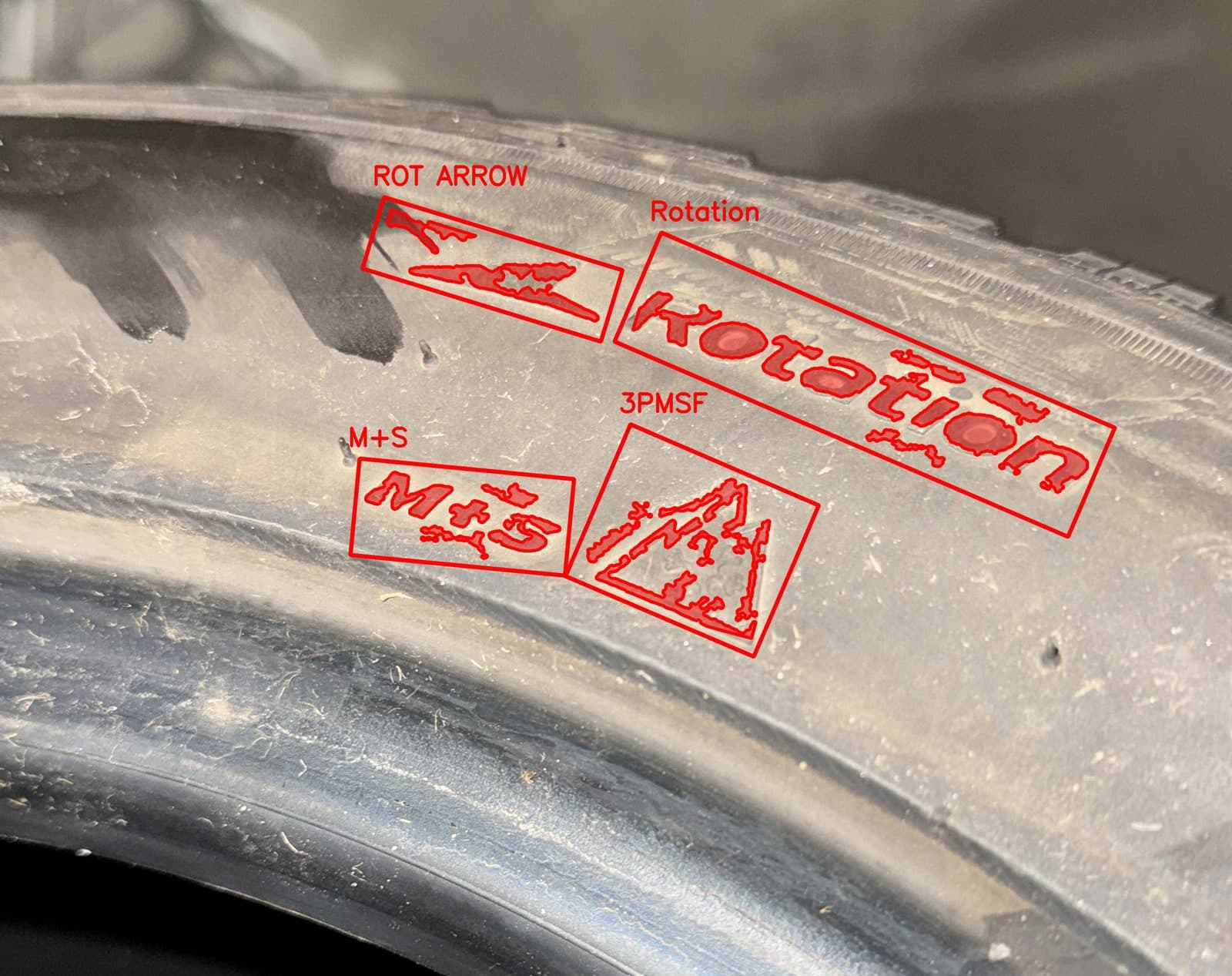
We designed the receiving flow around the tire itself. Staff point the device at the sidewall, confirm the recognised reference and update inventory. A task that previously took around 60 to 90 seconds per pair now takes about one or two seconds.
That speed matters because an inventory system is only useful when people keep it current. Large deliveries can now be registered without turning receiving into a bottleneck or asking employees to type every tire reference by hand.
Link stock to the place where it actually sits
The inventory record is connected directly to the storage layout. Each item can be traced to its shelf and level, and the team can see where capacity remains before another delivery arrives.
The result is practical rather than abstract. A customer query can be answered from the system, and the employee collecting the product knows where to go.
Warehouse locator
Hall A · 4 shelves · 3 stories each · 119/156 slots filled (76%)Swipe the floor to pan →
A system the team can keep using
The biggest result is not a dashboard. It is a shorter routine that fits the pace of the shop. Receiving moves faster, manual entry is reduced and the inventory remains useful because updating it no longer feels like a separate job.
- Faster receiving for large weekly deliveries
- Less repetitive manual entry
- Remote availability checks without walking the storage area
- Clear physical locations for every registered item
- A current stock record that staff can trust
Receiving workflowBefore and after
Before60 to 90 secper tire pair
After1 to 2 secper tire pair
Up to 98% fasterregistration
Faster receivingLess manual workUsable inventory
More work
Continue reading.
Digital product infrastructure6 min read
Secure licensing infrastructure built for production scale
How Brick Software helped Keydros and Kivo Studios protect distributed digital products without turning licensing into a point of failure.
Read case studyMeasured result
739K+requests processed in seven days
Retail systems5 min read
One inventory across every store and sales channel
A connected retail platform that keeps three Brussels stores, Amazon and an online shop working from the same stock record.
Read case studyMeasured result
3 storesconnected to one stock record